
 The Book of Durrow: a medieval masterpiece at Trinity College Dublin
by
Uncovers the mysteries of the earliest surviving, fully decorated Gospel book written by Irish monks in the early Christian era.
The Book of Durrow: a medieval masterpiece at Trinity College Dublin
by
Uncovers the mysteries of the earliest surviving, fully decorated Gospel book written by Irish monks in the early Christian era.
 The Book of Kells : an illustrated introduction to the manuscript in Trinity College, Dublin
by
"Beautiful ... by far the best modern short account of one of the great monuments of early Irish civilization ... required reading for anyone interested in the subject."--The Irish Times The Book of Kells is a masterpiece of medieval art--a brilliantly decorated version of the four Gospels with full-page depictions of Christ, the Virgin and the Evangelists as well as a wealth of smaller decorative painting. The strange imagination displayed in the pages, the impeccable technique and the very fine state of preservation make The Book of Kells an object of endless fascination. This edition reproduces the most important of the fully decorated pages plus a series of enlargements showing the almost unbelievable minuteness of the detail; spiral and interlaced patterns, human and animal ornament--a combination of high seriousness and humor. The text is by Bernard Meehan, the Keeper of Manuscripts at Trinity College, Dublin.
The Book of Kells : an illustrated introduction to the manuscript in Trinity College, Dublin
by
"Beautiful ... by far the best modern short account of one of the great monuments of early Irish civilization ... required reading for anyone interested in the subject."--The Irish Times The Book of Kells is a masterpiece of medieval art--a brilliantly decorated version of the four Gospels with full-page depictions of Christ, the Virgin and the Evangelists as well as a wealth of smaller decorative painting. The strange imagination displayed in the pages, the impeccable technique and the very fine state of preservation make The Book of Kells an object of endless fascination. This edition reproduces the most important of the fully decorated pages plus a series of enlargements showing the almost unbelievable minuteness of the detail; spiral and interlaced patterns, human and animal ornament--a combination of high seriousness and humor. The text is by Bernard Meehan, the Keeper of Manuscripts at Trinity College, Dublin.
 Celtic and Anglo Saxon Painting: book illumination in the British Isles, 600-800
by
This book presents a colection of colour pla tes from famous illuminated manuscripts that emerged from mo nasteries and island workshops during the 7th and 8th centur ies A.D., including the Book of Kells, the Lindisfarne Gospe ls, and the Book of Durrow. '
Celtic and Anglo Saxon Painting: book illumination in the British Isles, 600-800
by
This book presents a colection of colour pla tes from famous illuminated manuscripts that emerged from mo nasteries and island workshops during the 7th and 8th centur ies A.D., including the Book of Kells, the Lindisfarne Gospe ls, and the Book of Durrow. '
 The Codex Borgia: a full-color restoration of the ancient Mexican manuscript
by
First publication of remarkable repainting of outstanding Mexican codex -- priceless original is in Vatican Library -- thought to have originated in the Cholula area, ca. AD 1400. 76 large full-color plates show an astounding array of gods, kings, warriors, mythical creatures, and abstract designs. A work of rare power and beauty. Introduction.
The Codex Borgia: a full-color restoration of the ancient Mexican manuscript
by
First publication of remarkable repainting of outstanding Mexican codex -- priceless original is in Vatican Library -- thought to have originated in the Cholula area, ca. AD 1400. 76 large full-color plates show an astounding array of gods, kings, warriors, mythical creatures, and abstract designs. A work of rare power and beauty. Introduction.
 The Illuminated Rumi
by
Rise up nimbly and go on your strange journey to the ocean of meanings... In the mid-thirteenth century, in a dusty marketplace in Konya, Turkey, a city where Muslim, Christian, Hindu, and Buddhist travelers mingled, Jelaluddin Rumi, a popular philosopher and scholar, met Shams of Tabriz, a wandering dervish.nbsp;nbsp;Their meeting forever altered the course of Rumi's life and influenced the mystical evolution of the planet.nbsp;nbsp;The bond they formed was everlasting--a powerful transcendent friendship that would flow through Rumi as some of the world's best-loved ecstatic poetry. Rumi's passionate, playful poems find and celebrate sacred life in everyday existence.nbsp;nbsp;They speak across all traditions, to all peoples, and today his relevance and popularity continue to grow.nbsp;nbsp;In The Illuminated Rumi, Coleman Barks, widely regarded as the world's premier translator of Rumi's writings, presents some of his most brilliant work, including many new translations.nbsp;nbsp;To complement Rumi's universal vision, Michael Green has worked the ancient art of illumination into a new, visually stunning form that joins typography, original art, old masters, photographs, and prints with sacred images from around the world. The Illuminated Rumi is a truly groundbreaking collaboration that interweaves word and image: a magnificent meeting of ancient tradition and modern interpretation that uniquely captures the spiritual wealth of Rumi's teachings.nbsp;nbsp;Coleman Barks's wise and witty commentary, together with Michael Green's art, makes this a classic guide to the life of the soul for a whole new generation of seekers.
The Illuminated Rumi
by
Rise up nimbly and go on your strange journey to the ocean of meanings... In the mid-thirteenth century, in a dusty marketplace in Konya, Turkey, a city where Muslim, Christian, Hindu, and Buddhist travelers mingled, Jelaluddin Rumi, a popular philosopher and scholar, met Shams of Tabriz, a wandering dervish.nbsp;nbsp;Their meeting forever altered the course of Rumi's life and influenced the mystical evolution of the planet.nbsp;nbsp;The bond they formed was everlasting--a powerful transcendent friendship that would flow through Rumi as some of the world's best-loved ecstatic poetry. Rumi's passionate, playful poems find and celebrate sacred life in everyday existence.nbsp;nbsp;They speak across all traditions, to all peoples, and today his relevance and popularity continue to grow.nbsp;nbsp;In The Illuminated Rumi, Coleman Barks, widely regarded as the world's premier translator of Rumi's writings, presents some of his most brilliant work, including many new translations.nbsp;nbsp;To complement Rumi's universal vision, Michael Green has worked the ancient art of illumination into a new, visually stunning form that joins typography, original art, old masters, photographs, and prints with sacred images from around the world. The Illuminated Rumi is a truly groundbreaking collaboration that interweaves word and image: a magnificent meeting of ancient tradition and modern interpretation that uniquely captures the spiritual wealth of Rumi's teachings.nbsp;nbsp;Coleman Barks's wise and witty commentary, together with Michael Green's art, makes this a classic guide to the life of the soul for a whole new generation of seekers.
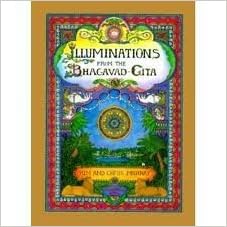 Illuminations from the Bhagavad-Gita
by
This fresh, opulent presentation of the Bhagavad-Gita, India's great spiritual masterpiece, is truly unique. Profusely illustrated with 40 color plates and more than 50 black-and-white drawings, this edition provides a fresh look at this immensely popular classic. A selection of essential verses is lavishly illustrated, incorporating both Eastern and Western classical illumination styles. The authors worked on the illustrations for over five years, inspired by the timeless wisdom of the Gita and their personal association with A.C. Bhaktivedanta Swami, the translator of the book's verses. lluminations captures the timeless wisdom of the Bhagavad Gita with artistic inspiration from Renaissance, Pre-Raphaelite and Celtic art.
Illuminations from the Bhagavad-Gita
by
This fresh, opulent presentation of the Bhagavad-Gita, India's great spiritual masterpiece, is truly unique. Profusely illustrated with 40 color plates and more than 50 black-and-white drawings, this edition provides a fresh look at this immensely popular classic. A selection of essential verses is lavishly illustrated, incorporating both Eastern and Western classical illumination styles. The authors worked on the illustrations for over five years, inspired by the timeless wisdom of the Gita and their personal association with A.C. Bhaktivedanta Swami, the translator of the book's verses. lluminations captures the timeless wisdom of the Bhagavad Gita with artistic inspiration from Renaissance, Pre-Raphaelite and Celtic art.
 Painted Prayers: the book of hours in medieval and Renaissance art
by
Including 100 examples of hand-coloured medieval and Renaissance illumination from around Europe, this work presents translations of key texts and explanations of the cultural significance of Books of Hours.
Painted Prayers: the book of hours in medieval and Renaissance art
by
Including 100 examples of hand-coloured medieval and Renaissance illumination from around Europe, this work presents translations of key texts and explanations of the cultural significance of Books of Hours.
 Songs of Innocence and of Experience
by
The core of William Blake's vision, his greatness as one of the British Romantics, is most fully expressed in his Illuminated Books, masterworks of art and text intertwined and mutually enriching. In 1949 the William Blake Trust was founded to bring these rare, in some cases unique, works to a wider general audience through the publication of superbly produced facsimiles of each book. By the late 1980's these facsimiles had themselves become rare books. The Trust accordingly resolved to initiate a collected edition that would publish accurate reproductions of all the Illuminated Books to be accompanied by notes and commentaries by leading Blake scholars. Songs of Innocence and of Experience, one of the best known of the books, is now reproduced in paperback for the first time from the King's College, Cambridge copy--sometimes known as "Blake's own copy." The poems have been edited with introduction, notes, commentaries, and bibliography.
Songs of Innocence and of Experience
by
The core of William Blake's vision, his greatness as one of the British Romantics, is most fully expressed in his Illuminated Books, masterworks of art and text intertwined and mutually enriching. In 1949 the William Blake Trust was founded to bring these rare, in some cases unique, works to a wider general audience through the publication of superbly produced facsimiles of each book. By the late 1980's these facsimiles had themselves become rare books. The Trust accordingly resolved to initiate a collected edition that would publish accurate reproductions of all the Illuminated Books to be accompanied by notes and commentaries by leading Blake scholars. Songs of Innocence and of Experience, one of the best known of the books, is now reproduced in paperback for the first time from the King's College, Cambridge copy--sometimes known as "Blake's own copy." The poems have been edited with introduction, notes, commentaries, and bibliography.
 A Two-Colored Brocade : the imagery of Persian poetry
by
Annemarie Schimmel, one of the world's foremost authorities on Persian literature, provides a comprehensive introduction to the complicated and highly sophisticated system of rhetoric and imagery used by the poets of Iran, Ottoman Turkey, and Muslim India. She shows that these images have been used and refined over the centuries and reflect the changing conditions in the Muslim world. According to Schimmel, Persian poetry does not aim to be spontaneous in spirit or highly personal in form. Instead it is rooted in conventions and rules of prosody, rhymes, and verbal instrumentation. Ideally, every verse should be like a precious stone--perfectly formed and multifaceted--and convey the dynamic relationship between everyday reality and the transcendental. Persian poetry, Schimmel explains, is more similar to medieval European verse than Western poetry as it has been written since the Romantic period. The characteristic verse form is the ghazal--a set of rhyming couplets--which serves as a vehicle for shrouding in conventional tropes the poet's real intentions. Because Persian poetry is neither narrative nor dramatic in its overall form, its strength lies in an "architectonic" design; each precisely expressed image is carefully fitted into a pattern of linked figures of speech. Schimmel shows that at its heart Persian poetry transforms the world into a web of symbols embedded in Islamic culture.
A Two-Colored Brocade : the imagery of Persian poetry
by
Annemarie Schimmel, one of the world's foremost authorities on Persian literature, provides a comprehensive introduction to the complicated and highly sophisticated system of rhetoric and imagery used by the poets of Iran, Ottoman Turkey, and Muslim India. She shows that these images have been used and refined over the centuries and reflect the changing conditions in the Muslim world. According to Schimmel, Persian poetry does not aim to be spontaneous in spirit or highly personal in form. Instead it is rooted in conventions and rules of prosody, rhymes, and verbal instrumentation. Ideally, every verse should be like a precious stone--perfectly formed and multifaceted--and convey the dynamic relationship between everyday reality and the transcendental. Persian poetry, Schimmel explains, is more similar to medieval European verse than Western poetry as it has been written since the Romantic period. The characteristic verse form is the ghazal--a set of rhyming couplets--which serves as a vehicle for shrouding in conventional tropes the poet's real intentions. Because Persian poetry is neither narrative nor dramatic in its overall form, its strength lies in an "architectonic" design; each precisely expressed image is carefully fitted into a pattern of linked figures of speech. Schimmel shows that at its heart Persian poetry transforms the world into a web of symbols embedded in Islamic culture.
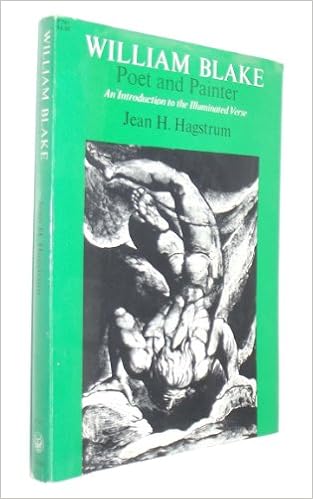 William Blake - Poet and Painter: an introduction to the illuminated verse
by
William Blake - Poet and Painter: an introduction to the illuminated verse
by
 The Art of Biblical Interpretation: Visual Portrayals of Scriptural Narratives
by
For centuries Christians have engaged their sacred texts as much through the visual as through the written word. Yet until recent decades, the academic disciplines of biblical studies and art history largely worked independently. This richly illustrated volume bridges that gap with the interdisciplinary work of biblical scholars and art historians. Focusing on the visualization of biblical characters from both the Old and New Testaments, essays illustrate the potential of such collaboration for a deeper understanding of the Bible and its visual reception.
The Art of Biblical Interpretation: Visual Portrayals of Scriptural Narratives
by
For centuries Christians have engaged their sacred texts as much through the visual as through the written word. Yet until recent decades, the academic disciplines of biblical studies and art history largely worked independently. This richly illustrated volume bridges that gap with the interdisciplinary work of biblical scholars and art historians. Focusing on the visualization of biblical characters from both the Old and New Testaments, essays illustrate the potential of such collaboration for a deeper understanding of the Bible and its visual reception.
 The Art of the Bible : illuminated manuscripts from the Medieval world
by
A beautiful and informative exploration of the illuminated manuscripts of the Bible over a millennium and across the globe, shedding new light on some of the most significant, yet rarely seen, paintings of the Middle Ages For two millennia the Bible has inspired the creation of extraordinary art. Within this history illuminated biblical manuscripts are among the best tools for understanding early Christian painting and artistic interpretations of the Bible. This extensively illustrated new book, compiled and written by two internationally renowned experts, transports readers, by way of forty-five featured manuscripts, across the globe and through 1,000 years of history. Passing chronologically through many of the major centers of the Christian world, from Constantinople and imperial Aachen to Canterbury, Mozarabic Spain, Crusader Jerusalem, northern Iraq, Paris, London, Bologna, and Rome, Scot McKendrick and Kathleen Doyle shed light on some of the finest but least-known paintings from the Middle Ages, and on the development of art, literature, and civilization as we know it.
The Art of the Bible : illuminated manuscripts from the Medieval world
by
A beautiful and informative exploration of the illuminated manuscripts of the Bible over a millennium and across the globe, shedding new light on some of the most significant, yet rarely seen, paintings of the Middle Ages For two millennia the Bible has inspired the creation of extraordinary art. Within this history illuminated biblical manuscripts are among the best tools for understanding early Christian painting and artistic interpretations of the Bible. This extensively illustrated new book, compiled and written by two internationally renowned experts, transports readers, by way of forty-five featured manuscripts, across the globe and through 1,000 years of history. Passing chronologically through many of the major centers of the Christian world, from Constantinople and imperial Aachen to Canterbury, Mozarabic Spain, Crusader Jerusalem, northern Iraq, Paris, London, Bologna, and Rome, Scot McKendrick and Kathleen Doyle shed light on some of the finest but least-known paintings from the Middle Ages, and on the development of art, literature, and civilization as we know it.
 The Art of Zen: paintings and calligraphy by Japanese monks, 1600-1925
by
The Art of Zen: paintings and calligraphy by Japanese monks, 1600-1925
by
 Byzantine Art
by
The coverage of this book focuses on the art of Constantinople from 330 to 1453 and the stages this went through in reaction to historical circumstances as the city progressed from the Christian centre of the Eastern Roman Empire, to the crisis of attack from the new religion of Islam, torevived medieval splendour and then, after the Latin capture of 1204 and the reoccupation by Byzantine after 1261, to a period of cultural reconciliation with east and west. The book shows how changes in society led to changes in art by focusing on particular cases and objects.
Byzantine Art
by
The coverage of this book focuses on the art of Constantinople from 330 to 1453 and the stages this went through in reaction to historical circumstances as the city progressed from the Christian centre of the Eastern Roman Empire, to the crisis of attack from the new religion of Islam, torevived medieval splendour and then, after the Latin capture of 1204 and the reoccupation by Byzantine after 1261, to a period of cultural reconciliation with east and west. The book shows how changes in society led to changes in art by focusing on particular cases and objects.
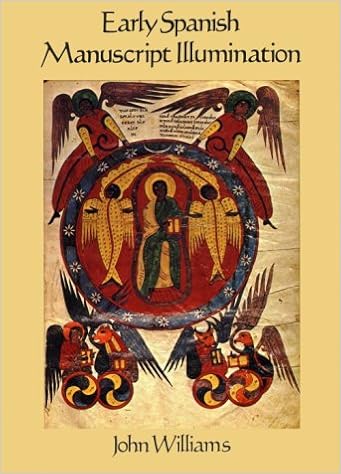 Early Spanish Manuscript Illumination
by
Early Spanish Manuscript Illumination
by
 Enso: Zen circles of enlightenment
by
The ensō is one of the most prevalent images of Zen art, and it has become a kind of symbol of the clean and strong Japanese aesthetic. It has been subject to a rich variety of interpretations--seen as everything from a rice cake to a symbol of infinity. But regardless of how it is understood, the ensō is above all an expression of the mind of the artist who brushes it. It is said that the state of the Zen practitioner can be clearly read in his or her execution of the circle. Audrey Yoshiko Seo brings together a collection of the best examples of ensō art to show the wonderful variety of the form and its variations, from the seventeenth century to the present, each with facing commentary. The commentary focuses on the meaning of the art and its historical context and provides an analysis of each artist's technique. Also included are biographies of the artists, many of whom are important Japanese Zen teachers.
Enso: Zen circles of enlightenment
by
The ensō is one of the most prevalent images of Zen art, and it has become a kind of symbol of the clean and strong Japanese aesthetic. It has been subject to a rich variety of interpretations--seen as everything from a rice cake to a symbol of infinity. But regardless of how it is understood, the ensō is above all an expression of the mind of the artist who brushes it. It is said that the state of the Zen practitioner can be clearly read in his or her execution of the circle. Audrey Yoshiko Seo brings together a collection of the best examples of ensō art to show the wonderful variety of the form and its variations, from the seventeenth century to the present, each with facing commentary. The commentary focuses on the meaning of the art and its historical context and provides an analysis of each artist's technique. Also included are biographies of the artists, many of whom are important Japanese Zen teachers.
 Hebrew Manuscripts: the power of script and image
by
The written word holds sacred value to Jewish people and this means that books have always played a central role in the development and transmission of their religion and culture. During the Middle Ages, the art of the book became the chief medium of artistic creativity for Jewish communities in Europe and the Near East. Today we have striking evidence of their belief in the power of the written word in the beautifully decorated Bibles, liturgies, and legal codes that have survived and been preserved by the British Library. In Hebrew Manuscripts, Ilana Tahan explores the fascinating milieu that Jewish scribes and artists worked in during the medieval period. With Judaism widely suppressed, these bookmakers were heavily influenced by the artistic trends of the majority cultures that surrounded them. This isolation from other Jewish communities led to two dominant traditions within Hebrew illumination styles: those that drew from Islamic art for inspiration and those that exhibited an affinity with Christian methods. Nonetheless, the exquisitely crafted images reproduced here are a vivid testimony to a distinctly Jewish creativity and passion for books and an enthralling look into the world of Jewish rituals and customs.
Hebrew Manuscripts: the power of script and image
by
The written word holds sacred value to Jewish people and this means that books have always played a central role in the development and transmission of their religion and culture. During the Middle Ages, the art of the book became the chief medium of artistic creativity for Jewish communities in Europe and the Near East. Today we have striking evidence of their belief in the power of the written word in the beautifully decorated Bibles, liturgies, and legal codes that have survived and been preserved by the British Library. In Hebrew Manuscripts, Ilana Tahan explores the fascinating milieu that Jewish scribes and artists worked in during the medieval period. With Judaism widely suppressed, these bookmakers were heavily influenced by the artistic trends of the majority cultures that surrounded them. This isolation from other Jewish communities led to two dominant traditions within Hebrew illumination styles: those that drew from Islamic art for inspiration and those that exhibited an affinity with Christian methods. Nonetheless, the exquisitely crafted images reproduced here are a vivid testimony to a distinctly Jewish creativity and passion for books and an enthralling look into the world of Jewish rituals and customs.
 The Illuminated Haggadah: featuring medieval illuminations from the Haggadah Collection of the British Library
by
One of the most beloved book in Judaism, the Haggadah contains the liturgy for the Passover Seder, the ritual that memorializes the Israelites' liberation from slavery and their exodus from Egypt. Featuring commentary that both amplifies the traditional text and draws on the remarkable illustrative material, "The Illuminate Haggadah" is a tribute to the art of illumination and a profound celebration of the Feast of Freedom. 100+ color illuminations. Size D. 64 pp.Copyright © Libri GmbH. All rights reserved.
The Illuminated Haggadah: featuring medieval illuminations from the Haggadah Collection of the British Library
by
One of the most beloved book in Judaism, the Haggadah contains the liturgy for the Passover Seder, the ritual that memorializes the Israelites' liberation from slavery and their exodus from Egypt. Featuring commentary that both amplifies the traditional text and draws on the remarkable illustrative material, "The Illuminate Haggadah" is a tribute to the art of illumination and a profound celebration of the Feast of Freedom. 100+ color illuminations. Size D. 64 pp.Copyright © Libri GmbH. All rights reserved.
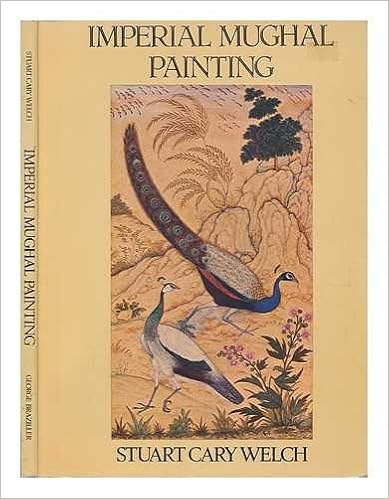 Imperial Mughal Painting
by
Imperial Mughal Painting
by
 Ink and Gold: Islamic calligraphy
by
Ink and Gold charts the development of Islamic calligraphy over a thousand years, from its beginnings in the Arabian Peninsula. Given the status of the Qur'an as the word of Allah and ambivalence towards representation of living things, the art of the pen became the focus of an extraordinary energy. The essays in this volume cover all the major centers of Islamic calligraphy, from North Africa to Central Asia, highlighting the achievements of Islamic calligraphers in the ages of the 'Abbasid (749-258), Seljuk (1055-1243), Ilkhanid (1256-1357), Safavid (1502-1736), and Mughal Empires (1526-1857). Though pride of place is given to the Qur'an, calligraphy is also examined in mystical and scientific works, Persian poetry, and calligraphy albums.
Ink and Gold: Islamic calligraphy
by
Ink and Gold charts the development of Islamic calligraphy over a thousand years, from its beginnings in the Arabian Peninsula. Given the status of the Qur'an as the word of Allah and ambivalence towards representation of living things, the art of the pen became the focus of an extraordinary energy. The essays in this volume cover all the major centers of Islamic calligraphy, from North Africa to Central Asia, highlighting the achievements of Islamic calligraphers in the ages of the 'Abbasid (749-258), Seljuk (1055-1243), Ilkhanid (1256-1357), Safavid (1502-1736), and Mughal Empires (1526-1857). Though pride of place is given to the Qur'an, calligraphy is also examined in mystical and scientific works, Persian poetry, and calligraphy albums.
 The Islamic Manuscript Tradition: ten centuries of book arts in Indiana University collections
by
Over the course of ten centuries, Islam developed a rich written heritage that is visible in paintings, calligraphies, and manuscripts. The Islamic Manuscript Tradition explores this aspect of Islamic history with studies of the materials and tools of literate culture, including pens, inks, and papers, Qur'ans, Persian and Mughal illustrated manuscripts, Ottoman devotional works, cartographical manuscripts, printed books, and Islamic erotica. Seven essays present new scholarship on a wide range of topics including collection, miniaturization, illustrated devotional books, the history of the printing press in Islamic lands, and the presence and function of erotic paintings. This beautifully produced volume includes 111 color illustrations and provides a valuable new resource for students and scholars of Islamic art.
The Islamic Manuscript Tradition: ten centuries of book arts in Indiana University collections
by
Over the course of ten centuries, Islam developed a rich written heritage that is visible in paintings, calligraphies, and manuscripts. The Islamic Manuscript Tradition explores this aspect of Islamic history with studies of the materials and tools of literate culture, including pens, inks, and papers, Qur'ans, Persian and Mughal illustrated manuscripts, Ottoman devotional works, cartographical manuscripts, printed books, and Islamic erotica. Seven essays present new scholarship on a wide range of topics including collection, miniaturization, illustrated devotional books, the history of the printing press in Islamic lands, and the presence and function of erotic paintings. This beautifully produced volume includes 111 color illustrations and provides a valuable new resource for students and scholars of Islamic art.
 Jewish Book Art Between Islam and Christianity
by
This book discusses the decoration types of Sephardic illuminated Bibles. Unlike illuminated Passover manuscripts from the same period with their rich figurative and narrative picture cycles, Bibles are almost exclusively aniconic. Whereas the former borrow heavily from Christian art, the Bibles are entirely indebted to Islamic culture. The volume elaborates in particular on the cultural history of the decorative motifs and types of ornamentation in an era of cultural transition in Iberia and culture struggle within Spanish Jewry. The first two chapters describe the cultural, social and artistic background in which the Bibles were produced, whereas the other chapters describe the works of the different schools and discuss them within different cultural, historical and social contexts. The text is accompanied by 10 color plates and 141 black-and-white figures.
Jewish Book Art Between Islam and Christianity
by
This book discusses the decoration types of Sephardic illuminated Bibles. Unlike illuminated Passover manuscripts from the same period with their rich figurative and narrative picture cycles, Bibles are almost exclusively aniconic. Whereas the former borrow heavily from Christian art, the Bibles are entirely indebted to Islamic culture. The volume elaborates in particular on the cultural history of the decorative motifs and types of ornamentation in an era of cultural transition in Iberia and culture struggle within Spanish Jewry. The first two chapters describe the cultural, social and artistic background in which the Bibles were produced, whereas the other chapters describe the works of the different schools and discuss them within different cultural, historical and social contexts. The text is accompanied by 10 color plates and 141 black-and-white figures.
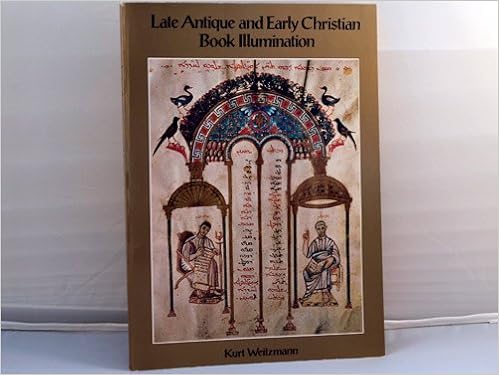 Late Antique-Early Christian Painting
by
Late Antique-Early Christian Painting
by
 Manuscripts from the Himalayas and the Indian Subcontinent
by
Manuscripts from the Himalayas and the Indian Subcontinent
Manuscripts from the Himalayas and the Indian Subcontinent
by
Manuscripts from the Himalayas and the Indian Subcontinent
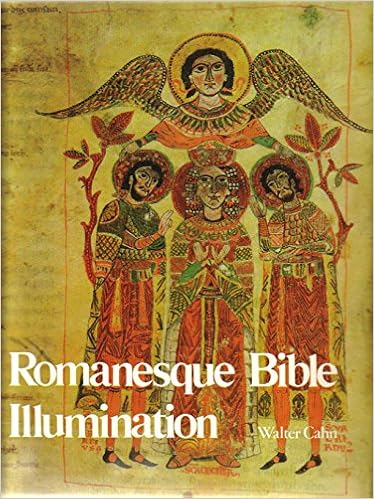 Romanesque Bible Illumination
by
Romanesque Bible Illumination
by
 Shodo: The quiet art of Japanese Zen calligraphy
by
In this beautiful and extraordinary zen calligraphy book, Shozo Sato, an internationally recognized master of traditional Zen arts, teaches the art of Japanese calligraphy through the power and wisdom of Zen poetry. Single-line Zen Buddhist koan aphorisms, orzengo, are one of the most common subjects for the traditional Japanese brush calligraphy known asshodo. Regarded as one of the key disciplines in fostering the focused, meditative state of mind so essential to Zen,shodo calligraphy is practiced regularly by all students of Zen Buddhism in Japan. After providing a brief history of Japanese calligraphy and its close relationship with the teachings of Zen Buddhism, Sato explains the necessary supplies and fundamental brushstroke skills that you'll need. He goes on to present thirtyzengo, each featuring: An example by a skilled Zen monk or master calligrapher An explanation of the individual characters and the Zen koan as a whole Step-by-step instructions on how to paint the phrase in a number of styles (Kaisho, Gyosho, Sosho) A stunning volume on the intersection of Japanese aesthetics and Zen Buddhist thought,Shodo: The Quiet Art of Japanese Zen Calligraphy guides both beginning and advanced students to a deeper understanding of the unique brush painting art form ofshodo calligraphy. Shodo calligraphy topics include: The Art of Kanji The Four Treasures of Shodo Ideogram Zengo Students of Shodo
Shodo: The quiet art of Japanese Zen calligraphy
by
In this beautiful and extraordinary zen calligraphy book, Shozo Sato, an internationally recognized master of traditional Zen arts, teaches the art of Japanese calligraphy through the power and wisdom of Zen poetry. Single-line Zen Buddhist koan aphorisms, orzengo, are one of the most common subjects for the traditional Japanese brush calligraphy known asshodo. Regarded as one of the key disciplines in fostering the focused, meditative state of mind so essential to Zen,shodo calligraphy is practiced regularly by all students of Zen Buddhism in Japan. After providing a brief history of Japanese calligraphy and its close relationship with the teachings of Zen Buddhism, Sato explains the necessary supplies and fundamental brushstroke skills that you'll need. He goes on to present thirtyzengo, each featuring: An example by a skilled Zen monk or master calligrapher An explanation of the individual characters and the Zen koan as a whole Step-by-step instructions on how to paint the phrase in a number of styles (Kaisho, Gyosho, Sosho) A stunning volume on the intersection of Japanese aesthetics and Zen Buddhist thought,Shodo: The Quiet Art of Japanese Zen Calligraphy guides both beginning and advanced students to a deeper understanding of the unique brush painting art form ofshodo calligraphy. Shodo calligraphy topics include: The Art of Kanji The Four Treasures of Shodo Ideogram Zengo Students of Shodo
 Skies of Parchment, Seas of Ink: Jewish illuminated manuscripts
by
The love of books in the Jewish tradition extends back over many centuries, and the ways of interpreting those books are as myriad as the traditions themselves. Skies of Parchment, Seas of Ink offers the first full survey of Jewish illuminated manuscripts, ranging from their origins in the Middle Ages to the present day. Featuring some of the most beautiful examples of Jewish art of all time--including hand-illustrated versions of the Bible, the Haggadah, the prayer book, marriage documents, and other beloved Jewish texts--the book introduces readers to the history of these manuscripts and their interpretation. Edited by Marc Michael Epstein with contributions from leading experts, this sumptuous volume features a lively and informative text, showing how Jewish aesthetic tastes and iconography overlapped with and diverged from those of Christianity, Islam, and other traditions. Featured manuscripts were commissioned by Jews and produced by Jews and non-Jews over many centuries, and represent Eastern and Western perspectives and the views of both pietistic and liberal communities across the Diaspora, including Europe, Israel, the Middle East, and Africa. Magnificently illustrated with pages from hundreds of manuscripts, many previously unpublished or rarely seen, Skies of Parchment, Seas of Ink offers surprising new perspectives on Jewish life, presenting the books of the People of the Book as never before.
Skies of Parchment, Seas of Ink: Jewish illuminated manuscripts
by
The love of books in the Jewish tradition extends back over many centuries, and the ways of interpreting those books are as myriad as the traditions themselves. Skies of Parchment, Seas of Ink offers the first full survey of Jewish illuminated manuscripts, ranging from their origins in the Middle Ages to the present day. Featuring some of the most beautiful examples of Jewish art of all time--including hand-illustrated versions of the Bible, the Haggadah, the prayer book, marriage documents, and other beloved Jewish texts--the book introduces readers to the history of these manuscripts and their interpretation. Edited by Marc Michael Epstein with contributions from leading experts, this sumptuous volume features a lively and informative text, showing how Jewish aesthetic tastes and iconography overlapped with and diverged from those of Christianity, Islam, and other traditions. Featured manuscripts were commissioned by Jews and produced by Jews and non-Jews over many centuries, and represent Eastern and Western perspectives and the views of both pietistic and liberal communities across the Diaspora, including Europe, Israel, the Middle East, and Africa. Magnificently illustrated with pages from hundreds of manuscripts, many previously unpublished or rarely seen, Skies of Parchment, Seas of Ink offers surprising new perspectives on Jewish life, presenting the books of the People of the Book as never before.
 Splendors of Qur'an Calligraphy and Illumination
by
Within three centuries of its advent, Islam had produced an architecture and a calligraphic art, including that of illumination, that have seldom been equaled and never surpassed, the one centered on the Mosque and the other on the Qur'an. But whereas Islamic architecture is world famous, its calligraphic art has remained relatively unknown and inaccessible. Black-and-white photographs of the art of calligraphy are plentiful, but a page of script, impressive though it can be in black and white, loses much without the tints of the paper and the ink.Splendours of Qur'an Calligraphy and Illumination reproduces the formal excellence of colors and texture that distinguish these artistic masterpieces. In all, 180 openings are displayed, carefully chosen from the greatest collections of Qur'an manuscripts in the world.
Splendors of Qur'an Calligraphy and Illumination
by
Within three centuries of its advent, Islam had produced an architecture and a calligraphic art, including that of illumination, that have seldom been equaled and never surpassed, the one centered on the Mosque and the other on the Qur'an. But whereas Islamic architecture is world famous, its calligraphic art has remained relatively unknown and inaccessible. Black-and-white photographs of the art of calligraphy are plentiful, but a page of script, impressive though it can be in black and white, loses much without the tints of the paper and the ink.Splendours of Qur'an Calligraphy and Illumination reproduces the formal excellence of colors and texture that distinguish these artistic masterpieces. In all, 180 openings are displayed, carefully chosen from the greatest collections of Qur'an manuscripts in the world.
 Wisdom and Compassion: the sacred art of Tibet
by
Illustrates, explains and celebrates 241 examples of Tibetan sacred art of the 9th to 12th centuries. The authors discuss the religious meaning and use of tangkas, Buddhist iconography and the aesthetics of tangka paintings, sculpture and mandalas.
Wisdom and Compassion: the sacred art of Tibet
by
Illustrates, explains and celebrates 241 examples of Tibetan sacred art of the 9th to 12th centuries. The authors discuss the religious meaning and use of tangkas, Buddhist iconography and the aesthetics of tangka paintings, sculpture and mandalas.